
South Italy's Silver Lining
(From the archives) Why I'm drinking southern and wrote a book about it

It’s been five years since the release of my third book South of Somewhere: Wine, Food and the Soul of Italy. When I wrote it and released it it was a quiet time: the world was still grappling with a modern plague. Few were travelling. Since those bad old days travel has returned to Italy with a vengeance. Tens of millions of tourists — not be mention many Substack creators— are discovering Southern Italy and its wines for the first time.
I’m not taking credit for that (or blame)! Certainly didn’t sell enough books for that.
But I also think its important to talk once again about the why’s: Why I love the south, Why it needs to be respected, and Why it’s more important than a mere fabulous hotel or experience. Here is the column I wrote on S.O.S.’s release (then in Wine Spectator). I think its perhaps more relevant today.
Humanity seems to be in particularly deep trouble from rising temperatures, raging wildfires and deadly flooding, not to mention the latest mutants of a killer virus.
But, looking at a sliver of a bright side here, has there ever been a better time to be a lover of Southern Italian wines?
I am not making light. I am just finding hope in my world by looking at the facts.
And from my perspective as an American who lives in Italy and loves the country, with a penchant for the Italian South, this is a golden age of wine. This seems to be the Mezzogiorno’s moment to shine.
Of course, I would say that. My just-released book, South of Somewhere: Wine, Food and the Soul of Italy, chronicles a variety of emerging wine scenes in Southern Italy in the 21st century. This personal narrative aims also to convey some lessons for all of us from the Italian South, to which I first traveled with my grandmother on a trip to her native Vico Equense in 1968.
For me, if there is one word that defines Italy and particularly the South, it’s “resilience.”
How many times have Italians been knocked down (the South usually getting the worst of it) only to stand up again?
Italy has dealt with plagues since ancient Rome. Natural disasters? When has the volcanic, seismic South not suffered eruptions and devastating earthquakes?
The South embodies Italy’s culture of renaissance—the inspiration that comes out of the darkest hours. And Southern Italian wine is now in a renaissance after a long winter of obscurity.
Southern Italy is one of the most beautiful and often tragically underachieving places on earth—blessed with sunshine, volcanic soils and a wowing diversity of grape varieties both known and uncatalogued. Yet historically it’s been held back by factors such as poverty, corruption, criminality and a lack of vision and entrepreneurship.
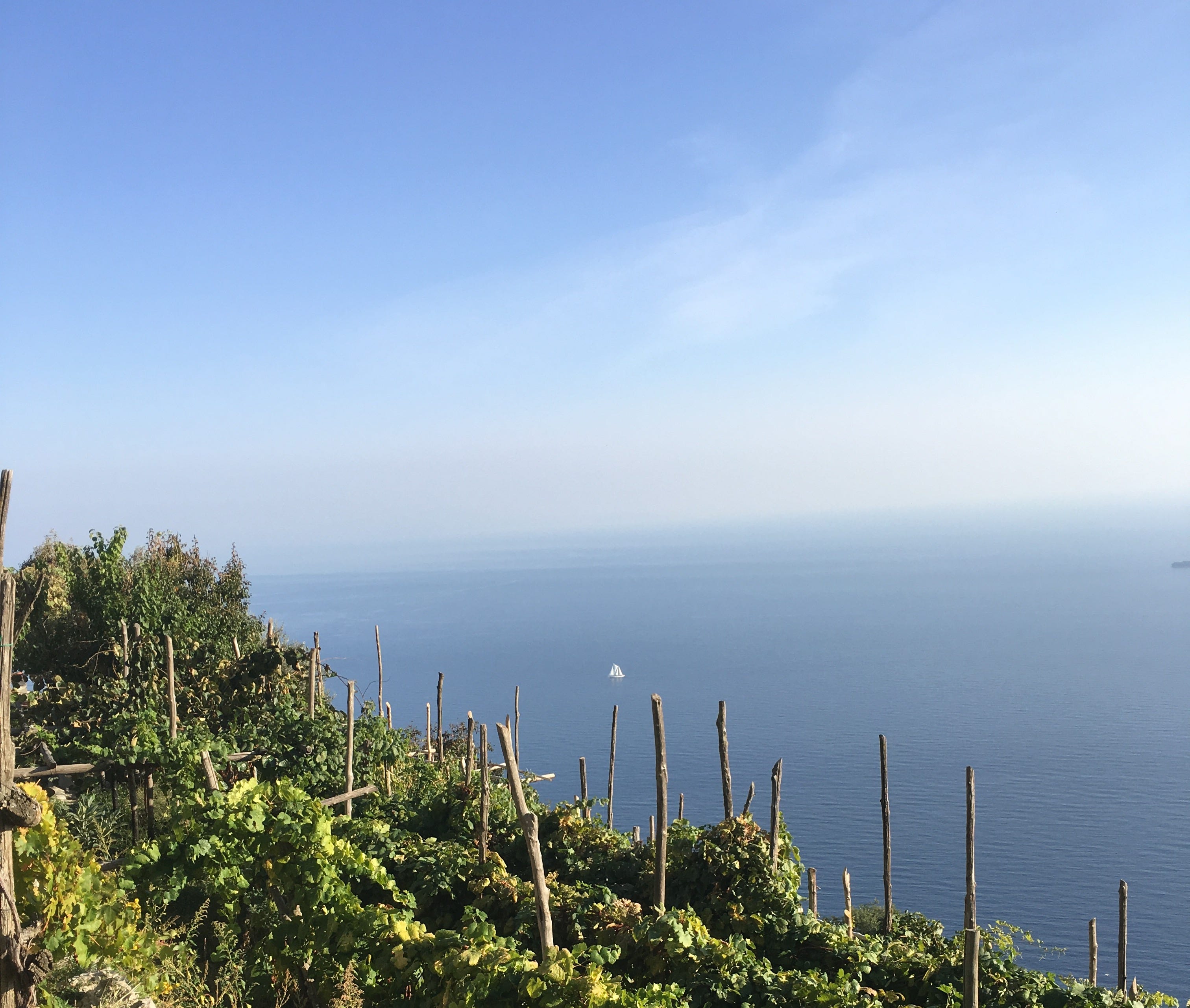
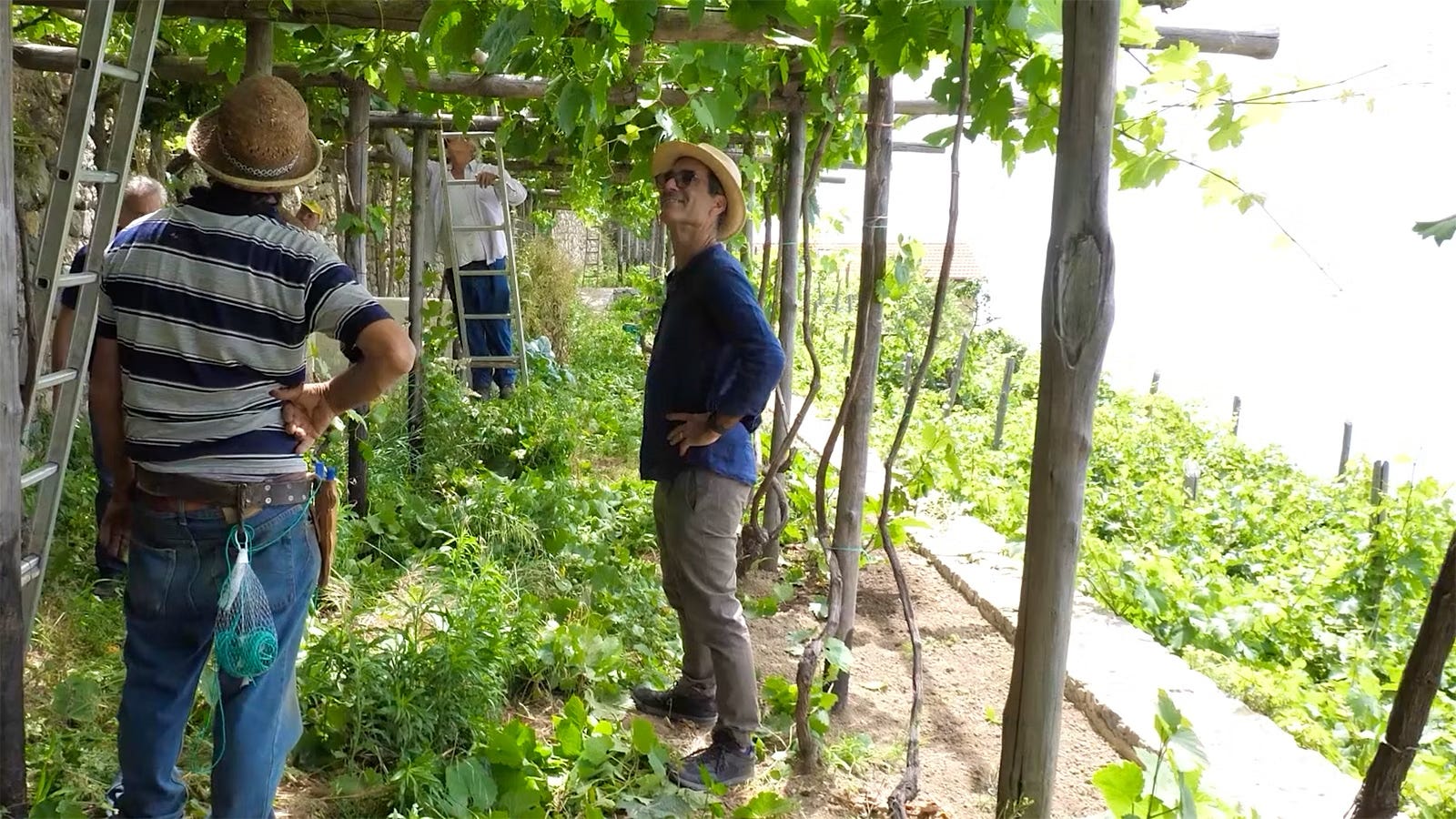
Many vineyards in coastal southern Italy are planted on steep stone terraces and still trained in the traditional pergola style, with the vines high overhead, creating a shady area.
The quality boom in Italian wine started in north and central Italy in the mid-1980s in Piedmont and Tuscany. Quality (as defined at the time) became more important than quantity. Wine changed from a source of calories to a source of pleasure. Gradually, a new way of looking at wine traveled south.
Nowadays, the keys to making great wines are democratized. With a bit of know-how in the vineyards and cellar, great wines can be made wherever you can grow great grapes. Southern Italy was ripe for change.
Today new generations of winegrowers from the South—smart, educated, environmentally minded and aware of their own terroirs and traditions, as well as the global wine scene from Burgundy to Napa—are working to make something of their familial lands and local grapes. It’s happening from Calabria to Puglia to Basilicata’s Mount Vulture to the Roman countryside of Lazio.
Also democratized in the era of the Internet and social media are the levers of global communication. The result of all this is that the granddaughter of sharecropping peasants in the rural South can now make wine and bottle it for her followers in Northern Europe, New York, Tokyo, London and L.A.
Fact is, great Southern wines are both more prevalent and available than they have been historically. You can see this anecdotally at restaurants everywhe
re with great Italian wine lists.
More than a decade ago, I wrote about the scene taking shape on Sicily’s Mount Etna in my last book, Palmento: A Sicilian Wine Odyssey. At the time, a handful of smart players saw the potential of Nerello Mascalese and transformed a rustic tourist red into a fine selection of Etna Rosso crus that are highly sought after today.
I believe that great terroirs come to the fore not because of some magical force but because of the right people at the right time with vision, a bit of investment and hard work. You can find examples of this all across the South now in emerging areas that complement Italy’s better-known vineyards.
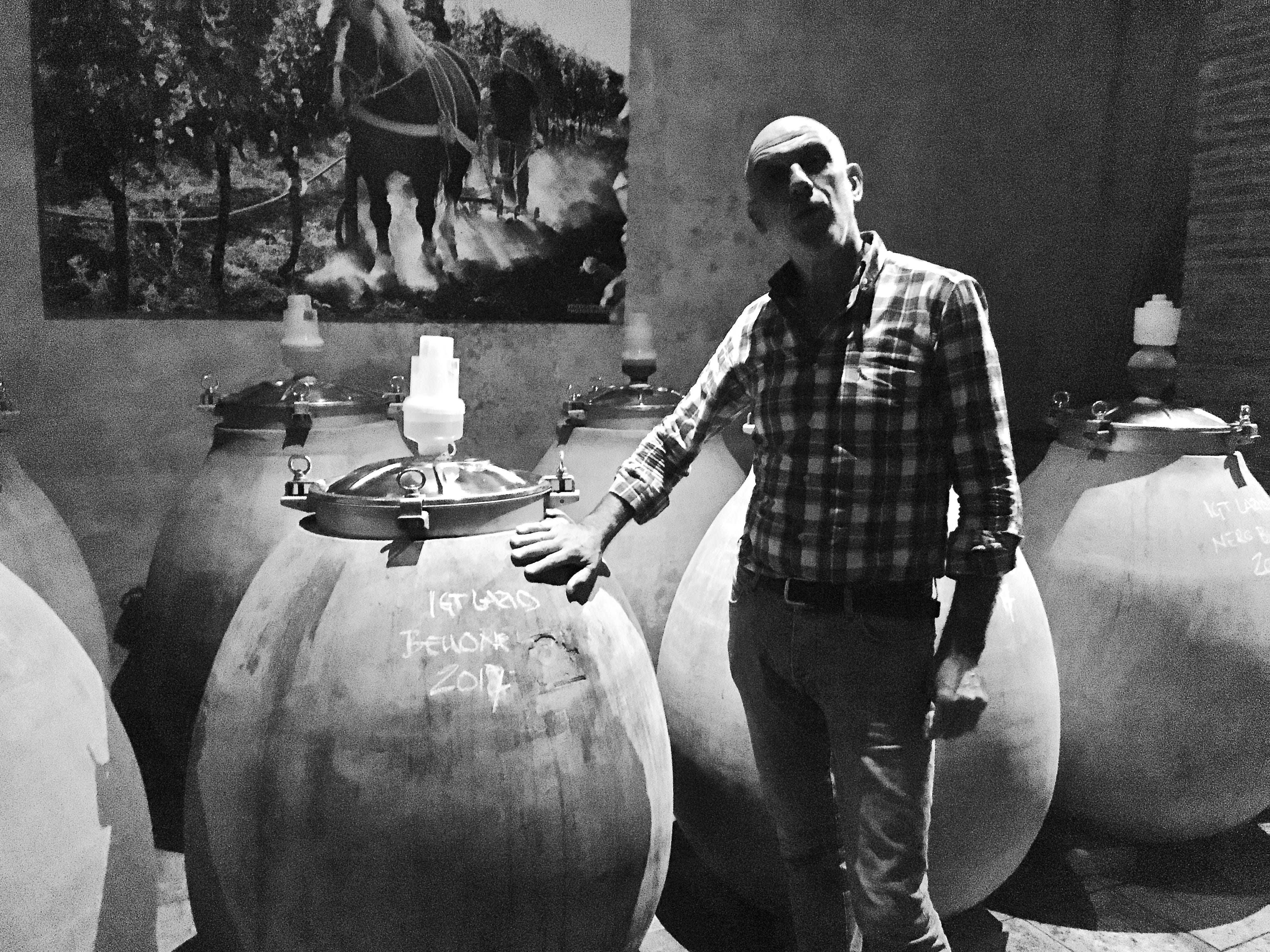
As a result, now you can drink a wholly different Italian wine—local, indigenous, sustainable—every night of the year. Many of these bring uniquely rewarding pleasure.
Consider the tannic punch of Calabria’s Gaglioppo (a Sangiovese relative) or the bitter kick of Roman Cesanese, reds that meld perfectly with salumi or Mediterranean spice. Forget the overripe versions of Aglianico del Vulture, Primitivo or Sagrantino and try their fresher and energetic progeny. Have you sampled the complex mineral-driven whites of Campania’s Fiano di Avellino or aged Etna Carricante lately?
Italy remains a collection of old city states where loyalties are given to the local belltower. Everywhere in Italy defines itself in contrast to its neighbors. Everywhere is south of somewhere else. The farther south you go, the wilder it gets. For me and wine lovers who like to drink well and also drink different daily, this is a good thing.
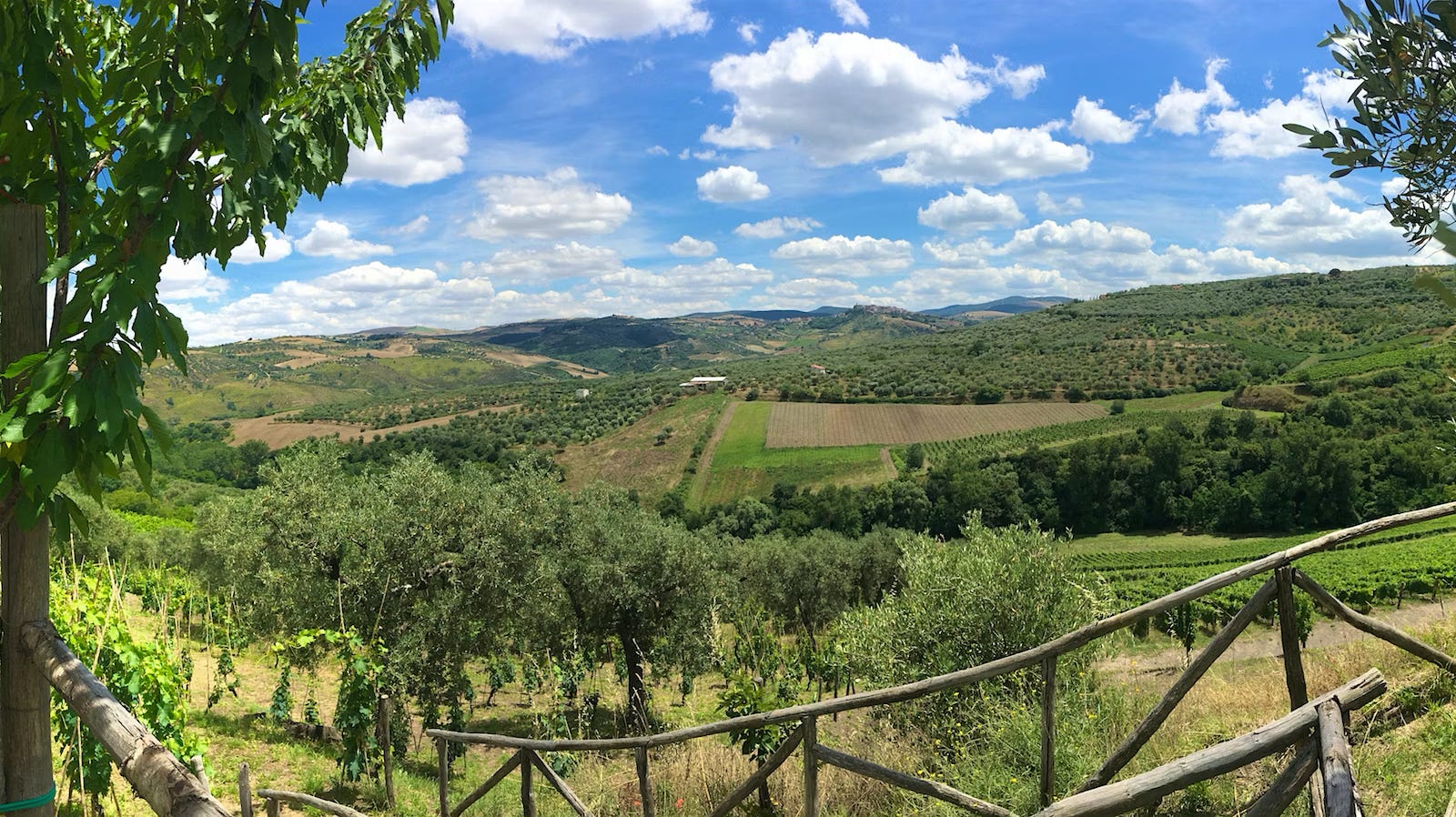
From South of Somewhere
Thanks for this. We just got back from two weeks in Calabria. Aside from the ever-cited Gaglioppo, there are tons of wine things going on with native grapes down there. They make absolutely delicious accompaniment for the local dishes. Unfortunately (aside from the biggest names) so few make it to the US. So I just ship direct. Vale la pena.